
The Positive Impact of AI on Team Safety and Security
Artificial intelligence is changing the way organizations approach workplace safety and cybersecurity. As cyber threats become more sophisticated and employees work across multiple devices and locations, organizations need smarter tools to protect their people, data, and operations. AI is helping organizations stay ahead of emerging threats by providing faster detection, proactive monitoring, and automated responses that reduce risk and strengthen overall security.
Rather than simply reacting to cyberattacks after they occur, AI allows organizations to identify potential threats before they cause significant damage. This shift from reactive to proactive security is one of the most important advancements in modern cybersecurity.
AI-Powered Threat Prevention
Traditional security solutions often rely on known threat signatures to identify malicious activity. While effective against previously identified attacks, they can struggle to detect new and evolving threats. AI-powered security solutions take a different approach by continuously analyzing behavior across devices, networks, and applications.
By identifying unusual patterns and suspicious activity in real time, AI can stop many threats before they have an opportunity to spread. Advanced endpoint detection and response (EDR) platforms use artificial intelligence to monitor endpoints such as desktops, laptops, servers, and cloud environments, providing organizations with greater visibility into their security landscape. This proactive approach helps reduce the risk of ransomware, malware, credential theft, and other cyber threats.
Detecting Threats Faster Than Ever
One of AI's greatest strengths is its ability to recognize threats that have never been seen before. Machine learning algorithms continuously learn from new data and can identify anomalies that may indicate a cyberattack. This capability is especially valuable when defending against sophisticated threats such as zero-day vulnerabilities and fileless malware, which often evade traditional security tools.
Because AI analyzes vast amounts of information at speeds far beyond human capability, security teams can identify and address potential risks much earlier in the attack lifecycle. Faster detection often means less damage, lower recovery costs, and reduced disruption to business operations.
Automated Response Reduces Risk
When a security incident occurs, every second matters. AI helps organizations respond quickly by automating many of the actions required to contain and remediate threats. Instead of waiting for manual intervention, AI-powered systems can isolate compromised devices, block malicious activity, and initiate corrective measures almost immediately.
This rapid response minimizes the impact of cyberattacks and helps prevent threats from spreading throughout an organization. By reducing the time between detection and resolution, organizations can maintain productivity while strengthening their overall security posture.
Continuous Monitoring Around the Clock
Cyber threats do not operate on a schedule, which is why continuous monitoring has become essential for organizations. AI provides real-time visibility into systems and networks twenty-four hours a day, seven days a week. Rather than relying solely on periodic reviews or user-reported issues, AI can proactively identify vulnerabilities, unusual behavior, and potential security concerns as they emerge.
This constant vigilance allows organizations to address issues before they develop into larger problems. Whether identifying an attempted intrusion or detecting a system anomaly, AI helps businesses maintain a more secure and resilient environment.
Strengthening the Human Side of Security
While technology plays a critical role in cybersecurity, employees remain one of the most important factors in preventing attacks. Human error continues to be a leading cause of security incidents, making education and awareness essential components of a strong security strategy.
AI-powered security awareness training platforms help organizations deliver more effective and engaging training experiences. Through personalized learning paths and realistic phishing simulations, employees gain practical skills that help them recognize and avoid common cyber threats. As employees become more confident in identifying suspicious activity, they become an active line of defense against cybercriminals.
A well-trained workforce not only reduces risk but also helps create a culture of security that extends throughout the organization.
Proactive Threat Hunting
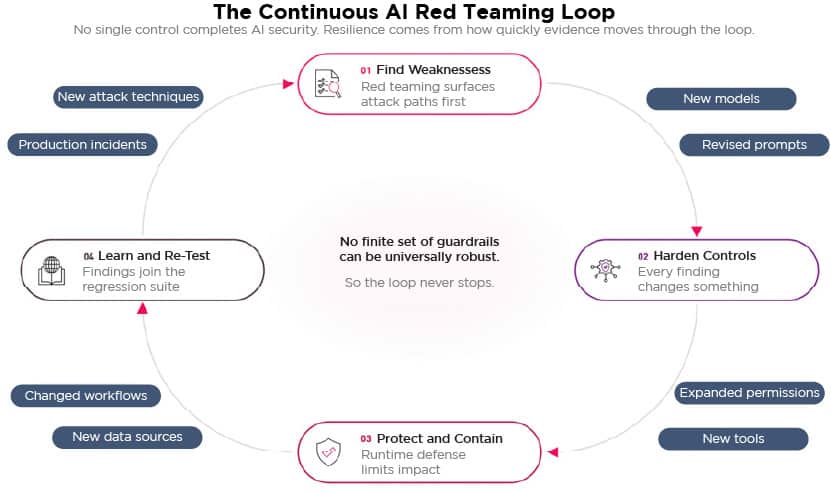
Another significant advantage of AI is its ability to actively search for threats rather than waiting for alerts to occur. AI-powered threat hunting continuously analyzes systems and network activity to uncover hidden risks that may otherwise go unnoticed.
This proactive approach enables organizations to identify compromised accounts, investigate suspicious behavior, and uncover vulnerabilities before attackers can exploit them. By finding threats earlier, businesses can strengthen their defenses and reduce the likelihood of a successful attack.
Balancing Innovation with Responsibility
While AI delivers tremendous benefits, organizations should implement these technologies thoughtfully. Regular oversight and ongoing evaluation help ensure AI systems continue to perform accurately and effectively. Maintaining transparency in automated decisions and combining AI-driven insights with human expertise allows businesses to maximize the value of artificial intelligence while minimizing potential risks.
The most successful cybersecurity strategies use AI as a powerful tool that enhances human decision-making rather than replacing it.
How West Central Technology Uses AI to Support Team Safety and Security
At West Central Technology, AI-powered technologies are integrated into a comprehensive security strategy designed to protect both clients and employees. Advanced endpoint protection solutions such as SentinelOne leverage artificial intelligence, behavioral analysis, and automated response capabilities to defend against ransomware, malware, and other emerging threats.
Additional layers of protection include multi-factor authentication (MFA) solutions like AuthPoint and Duo Security, which help prevent unauthorized access even when passwords are compromised. Secure password management tools reduce credential-related risks, while advanced email security platforms analyze suspicious attachments and links before they ever reach end users.
West Central Technology also provides ongoing security awareness training to help employees recognize phishing attempts, social engineering tactics, and other common cyber threats. Combined with continuous monitoring, proactive patch management, mobile device security, and robust backup and recovery solutions, these technologies create a layered defense strategy that protects against both technical vulnerabilities and human error.
Looking Ahead
As cyber threats continue to evolve, artificial intelligence is becoming an increasingly valuable asset for organizations seeking to protect their teams and operations. AI provides organizations with the ability to detect threats faster, respond more effectively, and maintain continuous visibility across their technology environments.
More importantly, AI helps create a safer and more secure workplace by empowering both technology and people to work together against cyber threats. Organizations that embrace AI-powered security solutions today will be better prepared to navigate the challenges of tomorrow, protect their critical assets, and build a stronger foundation for long-term success.
Ready to secure your team with AI driven tools, West Central Technology is ready to support you and your team!